If you're in the market for a toilet that combines eco-friendliness with elegance, you might find a rimless toilet to be a perfect fit. Rimless toilets have gained considerable popularity due to their superior cleanliness compared to conventional models. Moreover, their versatile design makes them suitable for various bathroom styles and themes, catering to both home and commercial settings. Before investing in a rimless toilet, it's essential to familiarize yourself with the key features to consider.
 |
| Image Credit : Tapron.co.uk |
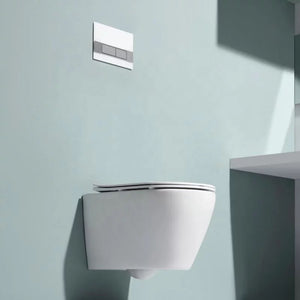
To begin with, rimless toilets are distinguished by their rounded rim design. This unique feature, coupled with a patented construction, not only facilitates easier cleaning but also ensures a more robust flushing mechanism compared to traditional toilets with rims. With no rim to contend with, maintaining cleanliness is a breeze – a simple wipe down with a cloth and mild soap is all it takes to eliminate any debris or stains from the seat.
 |
| Image Credit : Tapron.co.uk |
Moreover, rimless toilets boast impressive water efficiency, consuming approximately 30% less water than their traditional glazed counterparts. For instance, while a standard toilet may require six litres of water per flush, a rimless toilet typically utilizes only 4.5 litres. This translates to significant savings on water bills for homeowners, potentially reducing expenses by up to 25%. Additionally, the absence of a rim means rimless toilets are less susceptible to discolouration and mineral buildup, ensuring their longevity and durability over time.
One notable distinction between traditional toilets and rimless models lies in the absence of the rim itself. Unlike conventional toilets, rimless variants can be installed without a separate toilet bowl, thanks to their integrated design. The concealed cistern further enhances the sleek appearance of rimless toilets. Plus, without a rim to trap dirt and grime, maintaining cleanliness becomes effortless, contributing to a more hygienic bathroom environment.
 |
| Image Credit : Goldbathroom.co.uk |
For more detailed information on rimless toilets and their hygienic advantages, you can check out this informative article on https://tapron.co.uk/blogs/news/what-is-a-rimless-toilet-and-why-are-they-more-hygienic .
 |
| Image Credit : Tapron.co.uk |
While rimless toilets offer several advantages, such as ease of cleaning and reduced limescale buildup, there are also notable drawbacks to consider. One inconvenience is the smaller bowl size, which may pose challenges for male users. Additionally, the fastening system of rimless toilets is not always flawless, resulting in significant backlash. Furthermore, the absence of a rim makes it harder to prevent bacterial accumulation underneath the rim, potentially compromising hygiene.
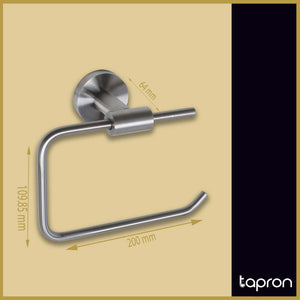
However, despite these drawbacks, the benefits of rimless toilets are considerable. One of the most significant advantages is their superior cleanliness compared to conventional toilets. Traditional toilet bowls harbor a substantial amount of bacteria, making it difficult to maintain hygiene. In contrast, rimless toilets significantly reduce bacterial buildup and limescale accumulation, offering a more hygienic and easier-to-clean option. This not only benefits the environment by conserving water but also saves money in the long run, as cleaning efforts are streamlined and maintenance costs are reduced in your other accessories.
Moreover, rimless toilets are more efficient in water usage compared to their rimmed counterparts. With a lower water consumption rate, they contribute to water conservation efforts and can lead to significant savings on water bills. Their affordability relative to rimmed toilets further enhances their appeal, making them a cost-effective choice for eco-conscious consumers. Whether opting for a traditional or contemporary trough design, choosing a rimless toilet can help conserve water and minimize expenses over time.
 |
| Image Credit : Goldbathroom.co.uk |
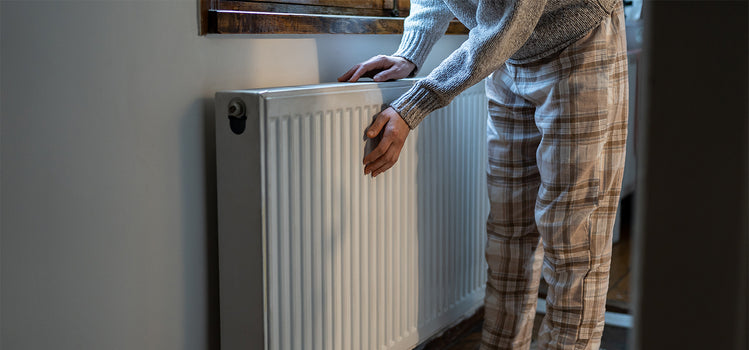
If you're interested in upgrading other fixtures in your home, such as radiators, you might find this comprehensive guide on https://goldbathroom.uk/blogs/news/radiator-material-steel-iron-aluminum-gold-bathroom-uk helpful.
